Blog

Microneedling for Texture Changes: When a Peel May Work Better

Microneedling can be a strong non-surgical option for improving uneven texture, mild scarring, and early signs of aging by stimulating collagen production beneath the skin. However, not every rough or uneven surface concern requires collagen remodeling. In some cases, a chemical peel may be a more direct way to refresh the skin.

At Laser and Skin Surgery Center in Westlake, OH, board-certified dermatologist and fellowship-trained dermatologic surgeon Dr. Renuka Diwan evaluates the type and depth of each concern before recommending treatment. The right choice between microneedling and a chemical peel depends largely on whether the problem begins at the surface or extends deeper into the skin.

When Microneedling Makes Sense

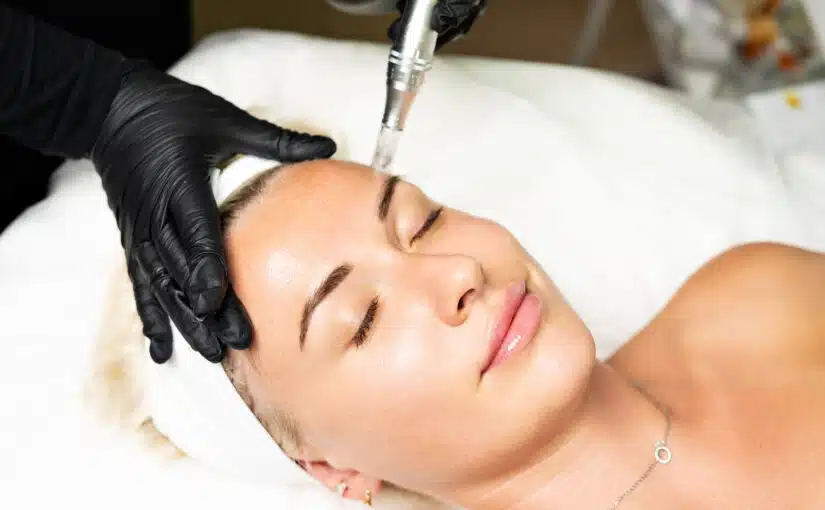
Microneedling uses very fine needles to create controlled microchannels in the skin. This process encourages new collagen and elastin formation, which can gradually improve concerns involving the skin’s structure.

Microneedling may be useful for:

  • Mild acne scars
  • Enlarged pores
  • Fine lines
  • Uneven texture
  • Early loss of firmness
  • Certain superficial scars

Because collagen production develops over time, results generally appear gradually rather than immediately after treatment.

When a Chemical Peel May Work Better

A chemical peel removes damaged outer layers of skin using a carefully selected solution. This can make it especially effective when the main concern is closer to the surface.

A peel may be a better fit for skin affected by dullness, rough patches, uneven pigmentation, superficial discoloration, or mild sun damage. Depending on the peel type and strength, treatment can range from light exfoliation with minimal downtime to deeper resurfacing.

For patients whose texture changes stem largely from built-up or damaged surface cells, a peel may provide more targeted exfoliation than microneedling alone.

How Downtime and Treatment Goals Differ

Recovery can vary significantly with either treatment. Mild microneedling commonly causes temporary redness and sensitivity, while deeper sessions may require additional healing time.

Chemical peel recovery depends heavily on peel depth. A light peel may involve mild flaking, while stronger peels can cause more noticeable peeling, redness, and downtime.

The desired result also matters. Microneedling focuses more on collagen remodeling, while chemical peels emphasize exfoliation and renewal of the skin’s outer layers.

Can Microneedling and Chemical Peels Be Combined?

Some patients may benefit from using both treatments as part of a broader skin care plan, although they are not necessarily performed during the same visit. Timing depends on skin sensitivity, treatment strength, and the concern being addressed.

Professional evaluation is especially important when treating acne scars, pigmentation changes, or sensitive skin.

Compare Skin Resurfacing Options in Westlake, OH

Microneedling and chemical peels can both improve skin texture, but they work at different depths and address different causes of unevenness. Laser and Skin Surgery Center offers personalized treatment planning for patients in Westlake, OH. 

Call 440-871-9832 to schedule a consultation and determine which approach best matches your skin.

Why Liposuction Results Depend on Skin Elasticity, Not Just Fat

Removing stubborn fat can improve body shape, but the amount removed doesn’t tell the whole story. How skin responds after liposuction can matter just as much, especially in areas where laxity or reduced firmness is already present.

At Laser and Skin Surgery Center in Westlake, Dr. Renuka Diwan brings training in both dermatology and dermatologic surgery to cosmetic treatment planning. Looking closely at skin quality before liposuction helps determine whether the treated area is likely to contract smoothly or whether loose skin could limit the final contour.

Why Skin Elasticity Matters After Liposuction

Once fat is removed, the skin needs to adapt to the smaller volume underneath it. Skin with good elasticity is more likely to contract and conform to the new contour.

When elasticity is reduced, the skin may not tighten as effectively. This can leave some looseness even when the underlying fat has been successfully reduced.

Factors that can affect elasticity include:

  • Age
  • Genetics
  • Sun damage
  • Significant weight changes
  • Pregnancy
  • Overall skin quality

Liposuction Does Not Remove Loose Skin

Liposuction is designed to reduce localized fat, not remove excess skin. That distinction matters when both fullness and sagging are contributing to the appearance of an area.

If laxity is significant, removing fat alone may not create the smoother outline a patient expects. In some cases, another procedure or a combined treatment plan may be more appropriate.

Who Tends to Get the Best Liposuction Results?

Liposuction results are often more predictable when unwanted fat is localized, and the surrounding skin still has enough firmness to retract after treatment.

Stable body weight also matters. Liposuction is intended to refine contour rather than serve as a weight-loss procedure, so candidacy depends more on proportion and tissue quality than on how much fat can be removed.

Can Skin Quality Be Evaluated Before Treatment?

Yes. A consultation can assess skin thickness, firmness, stretch marks, laxity, and the way tissue sits over the treatment area.

That evaluation can help clarify whether liposuction alone is likely to create the desired shape or whether loose skin needs to be addressed separately.

Set Realistic Expectations for Liposuction in Westlake, OH

A good liposuction result depends on how fat reduction and skin response work together. Paying attention to both before treatment can help avoid disappointment and lead to a more realistic plan for contour improvement.

Patients considering liposuction in Westlake, OH can contact Laser and Skin Surgery Center at 440-871-9832 to schedule a consultation with Dr. Diwan and discuss how skin elasticity may affect the outcome.

Can IPL Improve Both Redness and Brown Spots at the Same Time?

Redness and brown spots can develop for very different reasons, yet both may contribute to an uneven or blotchy complexion. IPL targets multiple colors within the skin, making it possible to address certain vascular redness and unwanted pigmentation in the same treatment session.

At Laser and Skin Surgery Center in Westlake, OH, board-certified dermatologist and fellowship-trained dermatologic surgeon Dr. Renuka Diwan uses her experience with laser and light-based procedures to determine which technology best matches each patient’s skin concerns. An intense pulsed light treatment may be especially useful when both visible redness and discoloration contribute to uneven skin tone.

How IPL Targets Different Types of Discoloration

Unlike a traditional laser that uses a specific wavelength, IPL delivers a range of light wavelengths into the skin. Different targets absorb that light depending on their color.

Pigment from brown spots absorbs certain wavelengths, while hemoglobin in visible blood vessels absorbs others. The body then gradually breaks down or reduces the treated pigment or vessels.

This allows IPL to address concerns such as:

  • Sun spots and areas of excess pigmentation
  • Diffuse facial redness
  • Small visible blood vessels
  • Freckles and uneven skin tone
  • Redness associated with certain vascular skin concerns

Can Redness and Brown Spots Be Treated Together?

When both concerns are appropriate for IPL, they may be treated during the same appointment. Settings can be adjusted based on skin tone, pigmentation depth, the type of redness present, and the areas being treated.

Results are usually gradual. Brown spots may temporarily darken before fading, while redness and visible vessels may become less noticeable as the skin responds to treatment. A series of sessions may be recommended when discoloration is widespread or more pronounced.

When IPL May Not Be the Best Option

Not every red or brown mark responds the same way to light treatment. Certain pigmented lesions should be evaluated before treatment, and some forms of redness may require a different laser or another approach.

Skin tone also matters. Because IPL interacts with pigment, careful patient selection and customized settings help reduce the risk of unwanted pigmentation changes.

What Can Help Maintain IPL Results?

Sun exposure can contribute to the return of brown spots and visible redness. Consistent broad-spectrum sunscreen, protective clothing, and appropriate skin care can help preserve improvements after treatment.

IPL does not prevent new discoloration from developing, so ongoing sun protection remains an important part of maintaining a more even complexion.

Treat Uneven Skin Tone With IPL in Westlake, OH

When redness and brown spots occur together, IPL may help address both concerns in one personalized treatment plan. Laser and Skin Surgery Center offers intense pulsed light treatment for appropriate patients in Westlake, OH. 

Call 440-871-9832 to schedule a consultation and learn whether IPL fits your skin concerns.

CoolSculpting vs. Liposuction: Which Body-Contouring Option Fits Your Goals?

Stubborn fat can linger even when your weight is steady and you stay active. At The Laser & Skin Surgery Center in Westlake, OH, near Cleveland, we use both CoolSculpting® and liposuction to refine specific parts of the body.

Choosing between them depends on your anatomy, skin elasticity, schedule, and the degree of definition you hope to see. Renuka Diwan, MD, FAAD, is a board-certified dermatologist and fellowship-trained dermatologic surgeon with more than three decades of experience. She examines each patient in person before discussing which procedure may be the better match.

CoolSculpting Reduces Fat Without Surgery

CoolSculpting uses controlled cooling to reduce pinchable pockets of fat without incisions or anesthesia. Patients who are near a stable weight and prefer subtle refinement without surgical downtime may find it appealing.

The areas CoolSculpting can treat include the abdomen, flanks, thighs, upper arms, back, bra line, and tissue beneath the chin. Suitability also depends on whether the applicator can fit the targeted tissue correctly.

Results appear gradually as the body clears the affected fat cells. The CoolSculpting results timeline may span several months, and some patients benefit from additional sessions. Our CoolSculpting before-and-after photos can help you see the type of gradual refinement that may occur, though each person responds differently.

Liposuction Allows More Direct Sculpting

Liposuction removes unwanted fat through an in-office tumescent procedure performed with local anesthetic. It may be better suited to a larger pocket, a desire for greater definition, or a part of the body that requires detailed shaping.

Temporary swelling and soreness are expected during recovery. Patients also wear a compression garment and take a break from strenuous exercise while healing. Signs you may be ready for liposuction include being close to your goal weight, having enough skin elasticity to support the new shape, and being prepared to maintain a steady weight afterward.

How We Compare the Two Options

Neither procedure is meant for weight loss. Both are used to reshape localized fullness that has not changed enough through diet and exercise.

When we review these choices with a patient, we consider:

  • The size and location of the concern
  • The amount of definition desired
  • Skin firmness and elasticity
  • Comfort with surgery and downtime
  • Preference for gradual or more immediate improvement
  • Whether several sessions may be needed

Our body-contouring options for problem areas are not limited to one method. Loose skin, body structure, or the degree of sculpting you want may point toward another procedure or a combined plan.

Compare Body-Contouring Options in Westlake

During an in-person evaluation, Dr. Diwan draws on her dermatologic surgery experience to examine the treatment site, assess your skin, and explain what each choice could realistically accomplish. Contact us at The Laser & Skin Surgery Center in Westlake, Ohio, or call 440-871-9832 to discuss CoolSculpting and liposuction with our team.

Laser Resurfacing for Crepey Skin, Fine Lines, and Rough Texture

Crepey wrinkles and uneven texture appear as the skin ages and can gradually make your complexion look less smooth and refreshed, even with a consistent skincare routine. Laser skin resurfacing helps address these changes by removing damaged skin and stimulating collagen regeneration to achieve revitalized skin.

At Laser and Skin Surgery Center in Westlake, Dr. Renuka Diwan is a board-certified dermatologist and fellowship-trained dermatologic surgeon with extensive experience in cosmetic dermatology and laser procedures. Laser resurfacing is customized to your skin condition, treatment goals, and skin type, making it an effective option for patients seeking noticeable improvement.

How Laser Resurfacing Improves Skin Texture

Laser treatments deliver controlled energy into targeted layers of the skin and remove damaged skin cells and stimulate collagen production.

As the skin heals and new collagen develops, the treatment improves:

  • Fine crepey wrinkles
  • Rough or uneven texture
  • Sun-related skin damage, including uneven pigmentation
  • Certain superficial scars

These benefits of laser resurfacing develop differently for each patient depending on the treatment intensity and individual healing response.

Can Laser Treatment Help Crepey Skin?

Crepey skin develops because collagen and elastin decline with age, sun exposure. and exposure to other hazards like cigarette smoke and environmental pollutants. This can leave the skin looking thin, finely wrinkled, or less resilient.

Laser skin resurfacing stimulates collagen generation and remodeling and improves the skin’s surface appearance and quality. Treatment is commonly considered for areas of the face where textural changes and fine lines have become more noticeable.

Where Can Laser Resurfacing Be Used?

Depending on the laser technology and individual skin concerns, treatment may also be considered for areas such as the neck, chest, or other regions with visible signs of photoaging.

The appropriate treatment area and intensity depend on skin thickness, pigmentation, and the type of changes being addressed.

What Determines the Right Laser Treatment?

Laser resurfacing is not a single standardized procedure. Different technologies and treatment depths can create varying levels of correction and affect downtime.

Choosing an approach that is both effective and safe requires a deep knowledge and understanding of laser technology and skin structure, skin type, and skin healing. A professional assessment is especially important because more aggressive treatment is not automatically better.

Refresh Skin Texture With Laser Resurfacing in Westlake, OH

Crepey texture and fine lines do not always respond adequately to topical products. Laser skin resurfacing can address changes within the skin while encouraging smoother, more even-looking skin surface as healing progresses.

Laser and Skin Surgery Center provides individualized laser treatment planning for patients in Westlake, OH, and surrounding Cleveland communities. Call 440-871-9832 to schedule a consultation and learn which resurfacing approach may be appropriate for your skin.

When Is Microneedling a Better Choice Than Laser Resurfacing?

Microneedling and laser resurfacing can both improve skin texture, fine lines, and certain types of scarring, but they work in very different ways. Choosing between them depends on the concern being treated, the amount of downtime that fits your schedule, and how aggressively the skin needs to be resurfaced.

At Laser and Skin Surgery Center in Westlake, OH, board-certified dermatologist and fellowship-trained dermatologic surgeon Dr. Renuka Diwan evaluates skin quality, treatment goals, and medical history before recommending a procedure. For some patients, microneedling offers an effective way to stimulate skin renewal without the intensity associated with certain laser resurfacing treatments.

When Microneedling May Be the Better Fit

Microneedling creates controlled micro-injuries in the skin, encouraging the body to produce more collagen and elastin. Because the treatment does not rely on laser energy, it can be a useful option for patients seeking gradual improvement with relatively limited downtime.

Microneedling may be considered for concerns such as:

  • Mild acne or surgical scars
  • Enlarged pores
  • Uneven or rough skin texture
  • Fine lines
  • Early changes in skin firmness

It can also appeal to patients who prefer a treatment plan built around a series of less intensive sessions rather than a more aggressive resurfacing procedure.

How Laser Resurfacing Differs

Laser resurfacing uses focused energy to target specific skin layers. Depending on the laser and treatment settings, it may address more significant sun damage, deeper wrinkles, pigmentation changes, scars, or pronounced texture concerns.

Some laser treatments provide stronger resurfacing in fewer sessions, but that may come with more redness, peeling, swelling, or recovery time. The appropriate level of treatment depends on the skin concern and the type of laser being used.

Skin Tone Can Affect the Treatment Choice

Skin pigmentation is another important consideration. Certain lasers require careful selection and settings in patients with darker skin tones because heat can sometimes trigger unwanted pigment changes.

Microneedling does not use heat-based energy, which can make it appropriate for a broader range of skin tones in certain situations. A skin evaluation is still important because treatment recommendations should account for pigmentation, scarring tendencies, active skin conditions, and previous procedures.

Choosing Between Microneedling and Laser Resurfacing

Neither treatment is automatically better than the other. Microneedling may make more sense for mild texture concerns, gradual collagen stimulation, or patients who want less downtime. Laser resurfacing may be recommended when deeper or more advanced skin changes require more intensive correction.

Explore Microneedling Options in Westlake, OH

The right resurfacing treatment should match your skin condition and the results you hope to achieve. Laser and Skin Surgery Center provides individualized evaluations for microneedling and laser resurfacing in Westlake. 

Call 440-871-9832 to schedule a consultation and discuss the approach that best fits your skin goals.

What Areas Can CoolSculpting Treat?

Woman in white underwear has nice proportions after removing unwanted fat deposits with CoolSculpting.

Despite regular exercise and a healthy diet, you may still notice stubborn fat that does not respond to these lifestyle changes. CoolSculpting offers a non-surgical solution for reducing these localized fat deposits. 

At her Westlake practice near Cleveland, Renuka Diwan, MD, FAAD, a board-certified dermatologist and fellowship-trained dermatologic surgeon, helps patients like you determine whether CoolSculpting is appropriate for their goals and body type through careful evaluation and personalized treatment planning.

Some of the most popular treatment areas include:

Upper and Lower Abdomen

The abdomen is one of the most commonly treated areas. Many patients struggle with fullness in the upper or lower abdomen despite regular exercise. CoolSculpting can reduce fat in these regions, helping to create a flatter, more defined contour over time.

Flanks (Love Handles)

Fat along the sides of the waist (often referred to as love handles) can be particularly resistant to diet and exercise. CoolSculpting is well-suited for this area, allowing for improved waistline definition without surgery or downtime.

Under the Chin 

Fat under the chin, or “double chin”, can affect the profile regardless of age or weight. CoolSculpting can be used to reduce this area, helping to create a more defined jawline. Dr. Diwan evaluates whether this approach or another treatment, such as liposuction or Kybella, would provide the most effective resul

Upper Arms and thighs

Fat in the upper arms can be difficult to address with exercise alone. CoolSculpting may help reduce localized fullness, improving arm contour in a gradual, natural way.

Both inner and outer thighs can be treated with CoolSculpting. Patients often seek improvement in these areas to achieve smoother contours and reduce friction or fullness that affects clothing fit. 

Back and Bra Line

Excess fat along the upper back or bra line can create bulging that is noticeable in fitted clothing. CoolSculpting can target these areas to create a smoother silhouette.

Choosing the Right Approach

While CoolSculpting is effective for localized fat deposits, it is not a weight-loss procedure. Patients who are close to their ideal weight and seeking contour improvement tend to see the best results. During a consultation, Dr. Diwan assesses the amunt of fat, skin quality, and overall goals to determine whether CoolSculpting is appropriate. 

If you are interested in targeting stubborn fat without surgery, schedule a consultation with Dr. Renuka Diwan in Westlake, OH, near Bay Village. Her experience in both surgical and non-surgical body contouring allows her to recommend the most effective option for each patient. Call (440) 871-9832 or request an appointment online to get started.

Scar Revision for the Face vs. the Body: What Changes?

Woman treats a scar on her shoulder with a laser treatment.

Scars can develop anywhere on the body, but not all scars are treated the same way. The location of a scar plays a significant role in determining the most appropriate revision approach. 

At her Westlake practice near Cleveland, Renuka Diwan, MD, FAAD, a Board-Certified Dermatologist and fellowship-trained dermatologic surgeon, customizes scar revision treatments based on several factors. Understanding how facial scars differ from body scars can help you make informed decisions about your treatment.

Differences in Skin Thickness and Healing

Facial skin is generally thinner and has a richer blood supply than skin on many areas of the body. This often allows facial scars to heal more favorably and respond well to treatments such as laser resurfacing, dermal fillers for depressed scars, or precise surgical revision.

Body skin, particularly on the chest, shoulders, and back, is thicker and under more tension. These factors can increase the likelihood of raised or hypertrophic scarring, which may require corticosteroid injections, laser therapy, or a combination approach.

Cosmetic Visibility and Aesthetic Goals

Scars on the face are typically more noticeable and carry greater cosmetic concern. Because facial features are central to overall appearance, treatment planning emphasizes subtle blending and natural integration with surrounding skin. Dr. Diwan carefully evaluates how light reflects off the skin, how the scar aligns with natural facial contours, and whether repositioning may improve camouflage.

Body scars may be less visible in daily life, but they can still cause discomfort or self-consciousness. In these cases, treatment goals often center on flattening raised scars, improving color mismatch, and smoothing texture.

Treatment Techniques May Differ

Facial scars often respond well to fractional laser resurfacing or filler placement for contour correction. On the body, particularly in high-tension areas, surgical scar revision combined with laser therapy may provide better results. Keloid-prone areas such as the shoulders may require a more conservative, staged treatment plan.

Personalized Expertise Matters

With extensive training in dermatologic surgery and cosmetic procedures, Dr. Diwan evaluates each scar individually. Her approach emphasizes realistic expectations, safety, and natural improvement rather than aggressive overcorrection. By tailoring treatment to the scar’s location and characteristics, she helps patients achieve smoother, more refined results.

If you are concerned about a facial or body scar, schedule a consultation with Dr. Renuka Diwan in Westlake, OH, near Cleveland. Contact The Laser & Skin Surgery Center at (440) 871-9832 to discuss personalized scar revision options.

5 Skin Concerns Chemical Peels Treat Especially Well

Relaxed woman receives a chemical peel treatment to address multiple skin concerns. Chemical peels remain a trusted, effective option for improving a wide range of skin concerns when performed by an experienced dermatologist. At her Westlake practice, Dr. Renuka Diwan, MD, FAAD, a Board-Certified Dermatologist and fellowship-trained dermatologic surgeon, uses carefully selected chemical peel formulations to improve skin tone, texture, and overall clarity while prioritizing safety and natural results.

Here are five skin concerns that respond particularly well to professional chemical peel treatments:

Uneven Skin Tone and Sun Damage

Repeated sun exposure can lead to dark spots, blotchiness, and uneven pigmentation. Chemical peels help exfoliate damaged surface layers, allowing clearer, more evenly toned skin to emerge.  Peels can be customized to safely address discoloration. 

Dull, Rough Skin Texture

As your skin ages, cell turnover slows, leading to a rough or lackluster appearance. Chemical peels accelerate exfoliation, revealing smoother, brighter skin underneath. You may notice improved radiance and softness within days of treatment.

Enlarged Pores and Acne

Chemical peels can address visible pores and acne by exfoliating your skin’s surface and encouraging tighter, smoother skin over time. By improving cell turnover and reducing pore congestion, peels can make your pores appear smaller and your skin more refined. Peels can improve acne control for patients who want to acvoid antibiotics as well as patients who are on antibiotics.  Dr. Diwan selects peels to help you achieve clearer, more even-looking skin.

Fine Lines and Early Signs of Aging

While chemical peels cannot lift sagging skin, peels can soften fine lines caused by sun damage and aging. By stimulating new cell growth and collagen production, peels can improve your skin’s smoothness and firmness over time.

Expert Care Makes the Difference

Dr. Diwan’s extensive training in cosmetic dermatology and dermatologic surgery allows her to select the appropriate peel and timing for each patient. Her conservative, evidence-based approach ensures treatments are chosen for effectiveness and long-term skin health — not “trends.”

If you’re struggling with one or more of these skin concerns, a consultation with Dr. Renuka Diwan can help determine whether a chemical peel or another cosmetic treatment is the right option for you. To schedule an appointment at our Westlake, Ohio office near Bay Village, call (440) 871-9832 or contact us online.

Laser Resurfacing for Aging Skin: What It Can and Can’t Improve

40-something-year-old woman touches her skin, happy with her complexion. Laser resurfacing remains one of the most effective ways to address visible signs of aging and restore healthier, more radiant and even skin. At The Laser & Skin Surgery Center in Westlake, OH, Dr. Renuka Diwan, MD, FAAD, a Board-Certified Dermatologist and fellowship-trained dermatologic surgeon, performs laser resurfacing with a focus on safety, precision, and natural-looking results. Laser technology offers more control and finesse than other technologies used for skin resurfacing can make a noticeable difference. Understanding what this treatment can (and cannot) improve helps set realistic expectations.

What Laser Resurfacing Can Improve

Fine Lines and Early Wrinkles

Laser resurfacing is highly effective for softening crepey lines around the eyes and mouth, and other parts of the face. By stimulating new collagen, the treatment helps the skin appear smoother and more refreshed.

Sun Damage and Uneven Pigmentation

Visible signs of sun damage including sunspots and uneven tone, often improve extremely well with laser resurfacing. The laser targets damaged skin cells, allowing healthier, more even skin to emerge.

Texture Irregularities and Rough Skin

As a result of genetic predisposition or aging, the skin may develop benign (non-cancerous ) growths or pre-cancers that can be treated by CO2 laser resurfacing. Laser resurfacing shrinks or eliminates growths and removes damaged outer layers, revealing healthier, more even, softer, brighter skin underneath. Patients often notice an improvement in radiance  (glow) in the weeks following treatment.

Enlarged Pores

Increased pore size is common with age, as collagen support around the pores diminishes. By stimulating colllagen formation, conservative laser resufacing can help mimize the appearance of enlarged pores, making this an added bonus.

Superficial Acne Scarring

Shallow scars often resolve or look smoother after treatment. While deeper scars may require a combination approach, laser resurfacing is a strong option for improving mild to moderate textural scarring.

What Laser Resurfacing Cannot Improve

Significant Skin Laxity

Although the treatment boosts collagen and elastin production,  and provides some skin tightening, sit cannot replace the results of procedures like facelifts that reposition skin. Patients with significant skin laxity or jowling may benefit from surgical options instead or in addition.

Deep Wrinkles and Folds

Deep nasolabial folds that form as result of sagging and loss of supporting tisssue under the skin are best addressed by fillers or lifting surgery by itself or combined with fillers. Laser resurfacing does not correct them as effectively. 

Broken Blood Vessels or Deep Pigmentation Issues

There may be some improvement of small capillaries and superficial pigmentation but are better addressed with other more specifically targeted lasers.  During a consultation, Dr. Diwan evaluates whether laser resurfacing alone or another treatment like IPL or Pico laser or laser treatment of blood vesseis is most appropriate.

Expertise You Can Trust

With extensive training in dermatologic surgery and decades of experience, Dr. Diwan xsafely performs every laser resurfacing treatment in our ofice with local anesthetic (with oral medication for comfort, when needed) and customizes every resurfacing treatment to match your unique skin. Her careful approach ensures natural results that enhance your skin’s health and appearance.

To learn whether laser resurfacing is right for you, schedule a consultation with Dr. Renuka Diwan in Westlake, OH, by calling (440) 871-9832 or contacting our office online. 

Close the CTA